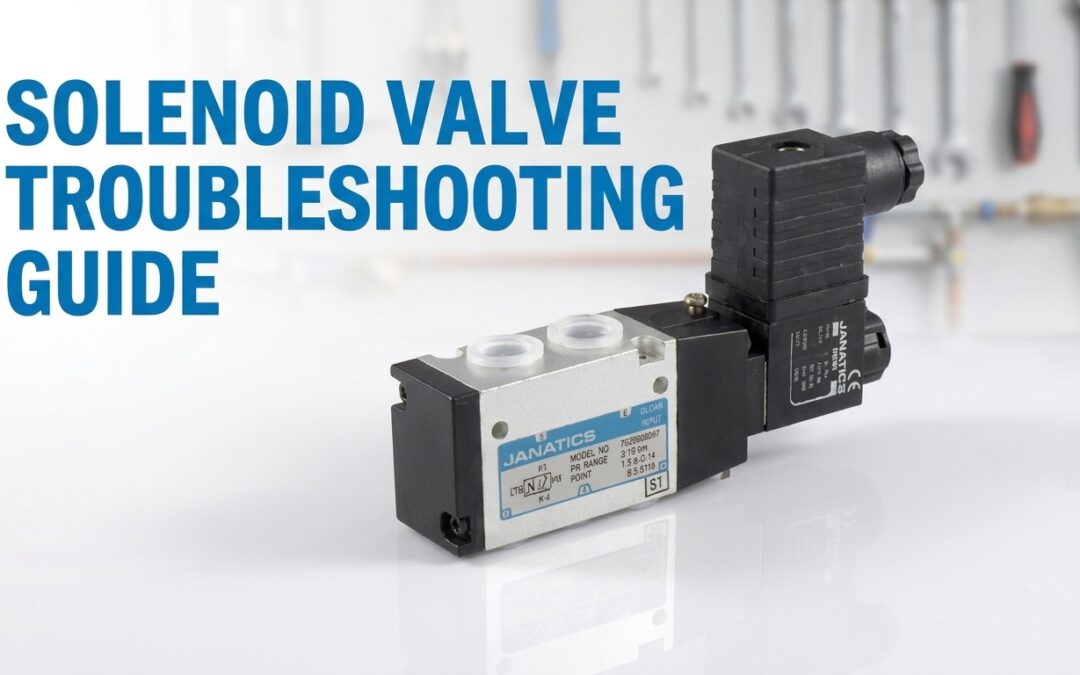
Solenoid Valve Not Working? Troubleshooting Guide
A solenoid valve is one of the most important components in pneumatic systems and industrial automation applications. It controls airflow inside machines and automation systems. When a solenoid valve is not working, it can stop airflow, reduce machine performance, cause air leakage, and even lead to complete production downtime.
In many industrial environments, issues such as coil failure, low air pressure, dirt blockage, wiring problems, or internal component wear are common causes of pneumatic solenoid valve problems. Understanding these issues early helps industries avoid unexpected breakdowns, reduce maintenance costs, and maintain efficient operation.
Industries often face recurring solenoid valve problems due to poor compressed air quality and improper maintenance practices. This troubleshooting guide explains the most common solenoid valve failure causes, how to diagnose them, and the best ways to prevent recurring problems in industrial pneumatic systems.
What Does “Solenoid Valve Not Working” Mean?
A solenoid valve not working usually means the valve is failing to open, close, or switch airflow correctly due to issues such as coil failure, low air pressure, dirt blockage, incorrect wiring, or damaged internal components inside the pneumatic system.
Why Solenoid Valve Problems Should Not Be Ignored
Many industries continue operating machines even when a solenoid valve is not working properly, assuming the issue is minor. However, ignoring early signs of solenoid valve failure can lead to larger pneumatic system problems, increased compressed air loss, and unexpected machine downtime.
A faulty solenoid valve can affect:
- Airflow control inside pneumatic systems
- Automation cycle timing
- Machine efficiency and response speed
- Compressed air consumption
- Overall production output
In many industrial automation systems, even a single solenoid valve not opening or solenoid valve not closing correctly can affect the entire production process. Proper solenoid valve troubleshooting helps identify issues early and prevents costly breakdowns.
What is a Solenoid Valve?
A solenoid valve is an electrically operated valve used to control the flow of compressed air inside pneumatic systems. It converts electrical signals into mechanical movement to open or close airflow passages.
Solenoid valves are widely used in:
- Industrial automation systems
- Pneumatic control systems
- Packaging machinery
- Manufacturing equipment
- OEM machinery
- Air flow control systems
Because they operate continuously in industrial environments, proper maintenance and troubleshooting are important for long-term reliability.
Common Signs of Solenoid Valve Failure
Before troubleshooting, it is important to identify the symptoms. Many industries ignore early warning signs until the system completely stops working.
Valve Not Switching
The valve does not change position when electrical power is applied.
No Airflow
Compressed air does not pass through the valve even though the system is powered.
Continuous Air Leakage
Air continuously leaks from exhaust ports or fittings.
Coil Overheating
The valve coil becomes excessively hot during operation.
Delayed Response
The valve reacts slowly or inconsistently.
Valve Stuck Open or Closed
The internal spool fails to move properly, causing airflow issues.
These symptoms are common in pneumatic solenoid valve problems and should be addressed immediately to avoid machine downtime.
Common Causes of Solenoid Valve Not Working
A solenoid valve not working is usually caused by coil failure, incorrect air pressure, contamination, loose wiring, damaged internal components, or moisture inside the pneumatic system. These problems can affect airflow, automation response, and overall machine efficiency if not diagnosed early.
1. Coil Failure
One of the most common reasons for a solenoid valve not working is coil failure.
The solenoid coil generates the magnetic force required to shift the valve spool. If the coil is damaged or burnt, the valve cannot operate correctly.
Common Reasons for Coil Failure
- Incorrect voltage supply
- Overheating due to continuous operation
- Moisture or dust entering the coil
- Short circuit or wiring damage
Signs of Solenoid Valve Coil Not Working
- No clicking sound during operation
- Coil becomes too hot
- Burnt smell from the coil
- Valve remains stuck
Solution
- Check the voltage supply
- Measure coil resistance using a multimeter
- Replace damaged coils immediately
Ignoring valve coil failure can damage the entire pneumatic control system.
2. Low or Incorrect Air Pressure
A pneumatic solenoid valve depends on proper compressed air pressure for operation.
If air pressure is too low or unstable, the valve may fail to open or close correctly.
Common Air Pressure Problems
- Compressor pressure fluctuations
- Air leakage in tubing
- Incorrect pressure settings
- Blocked FRL units
Effects of Low Pressure
- Weak valve switching
- Delayed response
- Insufficient airflow
- Automation system issues
Solution
- Verify operating pressure requirements
- Inspect air supply lines
- Check FRL units and regulators
- Fix air leakage problems
Maintaining correct pressure is critical for efficient pneumatic system troubleshooting.
3. Dirt or Dust Blockage
Contamination is another major reason for solenoid valve not working or operating properly.
Dust, rust particles, oil residue, or debris inside the valve ports can block airflow and prevent spool movement.
Common Sources of Contamination
- Dirty compressed air supply
- Lack of filtration
- Damaged tubing
- Moisture contamination
Symptoms
- Restricted airflow
- Slow operation
- Valve sticking
- Air leakage
Solution
- Clean valve ports carefully
- Use proper filtration systems
- Install FRL units
- Replace heavily contaminated valves
Clean compressed air is essential for reliable pneumatic systems.
4. Incorrect Wiring or Loose Connection
Electrical problems are common causes of solenoid valve not working.
Loose wiring or incorrect electrical connections can prevent the coil from receiving proper power.
Common Wiring Issues
- Loose terminals
- Incorrect voltage wiring
- Damaged cables
- Poor grounding
Symptoms
- Intermittent valve operation
- No response from valve
- Coil overheating
- Random switching problems
Solution
- Inspect all electrical connections
- Tighten loose terminals
- Verify voltage specifications
- Replace damaged wires
Proper electrical installation improves automation system reliability.
5. Damaged Internal Components
Internal wear is common in continuously operating pneumatic systems.
Over time, seals, springs, and valve spools may wear out due to repeated operation causing solenoid valve not working.
Common Internal Damage
- Worn seals
- Damaged spool
- Broken spring
- Internal corrosion
Symptoms
- Solenoid valve air leakage
- Valve not closing properly
- Slow response time
- Inconsistent airflow
Solution
- Replace damaged internal components
- Use repair kits if available
- Replace heavily worn valves
Preventive maintenance helps reduce premature failure.
6. Moisture in Pneumatic System
Water contamination inside compressed air systems is a major cause of pneumatic valve repair issues.
Moisture causes corrosion, dirt accumulation, and sticking of internal valve parts.
Effects of Moisture
- Rust formation
- Coil damage
- Internal corrosion
- Reduced valve life
Solution
- Install proper FRL units
- Drain compressor tanks regularly
- Use air dryers when necessary
- Maintain clean compressed air systems
Controlling moisture significantly improves valve life and performance.
How Compressed Air Quality Affects Solenoid Valve Performance
Poor compressed air quality is one of the biggest reasons for solenoid valve not working issues in industrial environments.
Contaminated compressed air may contain:
- Moisture
- Oil residue
- Dust particles
- Rust contamination
These contaminants can block airflow, damage seals, and create internal sticking inside pneumatic valves.
Using proper FRL units, filtration systems, and regular maintenance helps reduce pneumatic valve repair issues and improves valve life.
How to Troubleshoot a Solenoid Valve
Proper troubleshooting helps identify problems quickly and reduces machine downtime in pneumatic and industrial automation systems.
Basic Solenoid Valve Troubleshooting Steps
- Check electrical power supply
- Verify compressed air pressure
- Inspect the valve coil condition
- Clean valve ports and fittings
- Check for air leakage and contamination
Check Power Supply
Verify whether the correct voltage is reaching the valve coil.
Inspect Coil Condition
Check for overheating, burnt smell, or damaged insulation.
Verify Air Pressure
Ensure sufficient compressed air pressure is available for proper valve operation.
Clean Valve Ports
Remove dust, dirt, or contamination blocking airflow inside the valve.
Check Tubing and Fittings
Inspect for air leakage, damage, or loose pneumatic connections.
Inspect for Leakage
Look for continuous air leakage around exhaust ports or fittings.
Following these troubleshooting steps helps identify most solenoid valve failure causes quickly and improves pneumatic system reliability.
Importance of Proper Solenoid Valve Troubleshooting
Correct solenoid valve troubleshooting is important for maintaining reliable industrial automation systems. Replacing components without identifying the actual problem can increase maintenance cost, compressed air loss, and unexpected downtime.
A proper solenoid valve repair guide usually includes:
- Checking electrical supply and wiring
- Inspecting the valve coil condition
- Verifying compressed air pressure
- Cleaning valve ports and internal passages
- Checking tubing, fittings, and air leakage
- Inspecting spool and internal seals
Proper pneumatic valve troubleshooting and preventive maintenance help reduce recurring industrial solenoid valve problems and improve long-term pneumatic system reliability.
How to Prevent Solenoid Valve Problems
Preventive maintenance is the best way to avoid repeated failures.
Regular Maintenance
Inspect valves periodically for wear and contamination.
Proper Filtration Using FRL Units
FRL units help maintain clean and dry compressed air.
Clean Compressed Air Supply
Use filters and dryers to reduce contamination.
Correct Operating Pressure
Always maintain recommended operating pressure.
Periodic Inspection
Check coils, tubing, fittings, and connections regularly.
Proper maintenance improves system reliability and reduces costly downtime.
Solenoid Valve Maintenance Tips for Industrial Automation Systems
Industries using pneumatic automation systems should follow preventive maintenance practices to reduce solenoid valve not working issues.
Recommended practices include:
- Regular cleaning of valve ports
- Periodic inspection of coils and wiring
- Maintaining correct operating pressure
- Using proper FRL units and filtration systems
- Replacing damaged tubing and fittings
- Monitoring compressed air quality
Preventive maintenance improves pneumatic system reliability and reduces unexpected downtime.
Signs That a Solenoid Valve Needs Immediate Replacement
In some situations, repair may not solve recurring valve problems. Industries should consider replacement when:
- The solenoid valve coil not working issue repeats frequently
- Air leakage continues after seal replacement
- Internal corrosion affects spool movement
- Valve switching becomes inconsistent
- Pneumatic system troubleshooting repeatedly points to the same valve
Replacing damaged valves early helps avoid larger automation system failures.
Applications of Solenoid Valves
Solenoid valves are widely used in industrial automation and pneumatic systems.
Industrial Automation
Used for controlling airflow in automated machinery.
Packaging Machinery
Controls pneumatic operations in filling, sealing, and packaging systems.
Manufacturing Systems
Supports motion control and pneumatic operations.
Pneumatic Control Systems
Used in compressed air flow regulation.
OEM Machinery
Integrated into industrial machines and automation equipment.
Related Products and Solutions
We also supply products related to pneumatic system troubleshooting and automation maintenance:
- Solenoid Valve Dealer in Madurai
- Pneumatic Cylinder Supplier in Madurai
- FRL Unit Supplier in Madurai
- PU Tube Supplier in Madurai
These products help maintain efficient pneumatic and automation systems.
Brands We Supply
Krish Engineering supplies genuine pneumatic products from trusted industrial brands including:
We support industries with reliable product availability and technical assistance.
Why Choose Krish Engineering
With over 20+ years of experience in pneumatic and automation components, we understand real industrial maintenance challenges.
We support industries with:
- Genuine pneumatic products
- Technical support for troubleshooting
- Ready stock availability
- Fast delivery for urgent requirements
- Industrial application support
Our approach focuses on solving real pneumatic system issues quickly and efficiently.
Need Help with Solenoid Valve Troubleshooting or Replacement?
Contact Krish Engineering for:
- Solenoid valve troubleshooting support
- Product availability
- Replacement valves and components
- Pneumatic system maintenance solutions
We provide technical guidance and reliable supply for industrial pneumatic applications.
If recurring solenoid valve problems continue even after troubleshooting, proper inspection, preventive maintenance, and timely replacement can help prevent major pneumatic system failures and reduce unexpected downtime.
Frequently Asked Questions (FAQs)
1. Why is my solenoid valve not working?
A solenoid valve not working can be caused by coil failure, low air pressure, dirt blockage, damaged internal components, or incorrect wiring. Problems in compressed air systems can also affect valve performance. Proper troubleshooting helps identify the exact cause quickly.
2. What causes a solenoid valve coil to fail?
A solenoid valve coil not working is usually caused by overheating, incorrect voltage supply, short circuits, moisture contamination, or continuous operation beyond rated limits. Damaged coils should be replaced immediately to prevent system failure.
3. Can low air pressure affect solenoid valve operation?
Yes, low or unstable air pressure is a common cause of pneumatic solenoid valve problems causing solenoid valve not working. Insufficient pressure can prevent the valve from opening or closing correctly, causing delayed response and airflow issues.
4. Why is my solenoid valve leaking air?
Continuous air leakage may occur due to worn seals, damaged internal components, contamination, or improper installation. Air leakage reduces system efficiency and increases compressed air consumption.
5. How do I test a pneumatic solenoid valve?
If a solenoid valve not working, you can test a valve by checking the power supply, inspecting coil resistance, verifying air pressure, and manually activating the valve if possible. Proper troubleshooting helps identify electrical or pneumatic faults.
6. Can dirt block a solenoid valve?
Yes, dirt, rust particles, oil residue, and moisture contamination can block valve ports and affect spool movement thus causing solenoid valve not working. Clean compressed air and proper filtration help prevent blockage problems.
7. How often should solenoid valves be maintained?
Maintenance frequency depends on operating conditions and usage. In industrial automation systems, periodic inspection and cleaning are recommended to prevent unexpected failures and downtime.
8. When should a solenoid valve be replaced?
A valve should be replaced when internal components are heavily worn, airflow problems continue after repair, or repeated failures affect system reliability.
9. Which brands of solenoid valves do you supply?
We supply genuine pneumatic products from leading brands including Janatics, Festo, Pneumax, Rotex, Duncan and Mercury for industrial automation and pneumatic applications.
10. Do you provide technical support for pneumatic systems?
Yes, Krish Engineering provides technical support for pneumatic system troubleshooting, product selection, and industrial automation maintenance. We help customers identify the correct components for reliable system performance.
11. Why is my solenoid valve not opening properly?
A solenoid valve not opening is commonly caused by low air pressure, coil failure, contamination inside the valve, or damaged internal components. Proper solenoid valve troubleshooting helps identify the exact issue before replacement.
12. Why is my solenoid valve not closing completely?
A solenoid valve not closing may occur due to worn seals, dirt blockage, damaged spool movement, or pressure imbalance inside the pneumatic system. Regular maintenance and clean compressed air help prevent these problems.
13. Can moisture damage a pneumatic solenoid valve?
Yes, moisture contamination is a major cause of pneumatic solenoid valve problems thus causing solenoid valve not working. Water inside compressed air systems can cause rust, corrosion, seal damage, and airflow blockage, reducing valve life and performance.
14. What are the common solenoid valve failure causes?
The most common solenoid valve failure causes include coil overheating, incorrect voltage, low air pressure, contamination, moisture inside the system, and worn internal components.
15. Can air leakage affect solenoid valve performance?
Yes, continuous solenoid valve air leakage reduces system pressure, increases compressed air consumption, and affects automation efficiency. Leakage should be identified and corrected immediately.